Faith
Albania’s religious landscape is a unique mosaic, shaped by centuries of coexistence among Islam, Christianity, and other faiths.
DISCLAIMER: This test was generated by Grok AI.
Tolerance between religious groups in Albania is often cited as a model of interfaith harmony, rooted in a cultural ethos of coexistence. This tolerance is not merely passive but actively fostered through historical practices and social norms. For instance, interfaith marriages are common, and religious holidays like Bayram or Christmas are often celebrated across communities, reflecting a shared cultural heritage. The Albanian constitution guarantees freedom of religion, and the state maintains a neutral stance, with no official religion. Religious leaders frequently collaborate on public initiatives, and institutions like the Interreligious Council of Albania promote dialogue. This harmony is partly attributed to the Bektashi influence, which emphasises spiritual inclusivity, and the lack of strong ethno-religious divides, as Albanian identity often supersedes religious affiliation.
Tolerance between religious groups in Albania is often cited as a model of interfaith harmony, rooted in a cultural ethos of coexistence. This tolerance is not merely passive but actively fostered through historical practices and social norms. For instance, interfaith marriages are common, and religious holidays like Bayram or Christmas are often celebrated across communities, reflecting a shared cultural heritage. The Albanian constitution guarantees freedom of religion, and the state maintains a neutral stance, with no official religion. Religious leaders frequently collaborate on public initiatives, and institutions like the Interreligious Council of Albania promote dialogue. This harmony is partly attributed to the Bektashi influence, which emphasises spiritual inclusivity, and the lack of strong ethno-religious divides, as Albanian identity often supersedes religious affiliation.
Despite this, challenges to religious tolerance persist, though they are subtle. External influences, such as foreign-funded extremist groups, have occasionally attempted to disrupt the balance, particularly in the 1990s when Albania’s economic struggles made it vulnerable to radical ideologies. However, these efforts have largely been rebuffed by Albania’s moderate religious culture and vigilant civil society. Some tensions arise from socioeconomic disparities rather than religious differences, as certain communities may feel marginalized. Additionally, the global rise of polarization poses a potential risk, though Albania’s small population and tight-knit social fabric help mitigate this. The country’s commitment to secularism, coupled with its historical legacy of coexistence, continues to foster an environment where religious diversity is a source of strength rather than conflict.
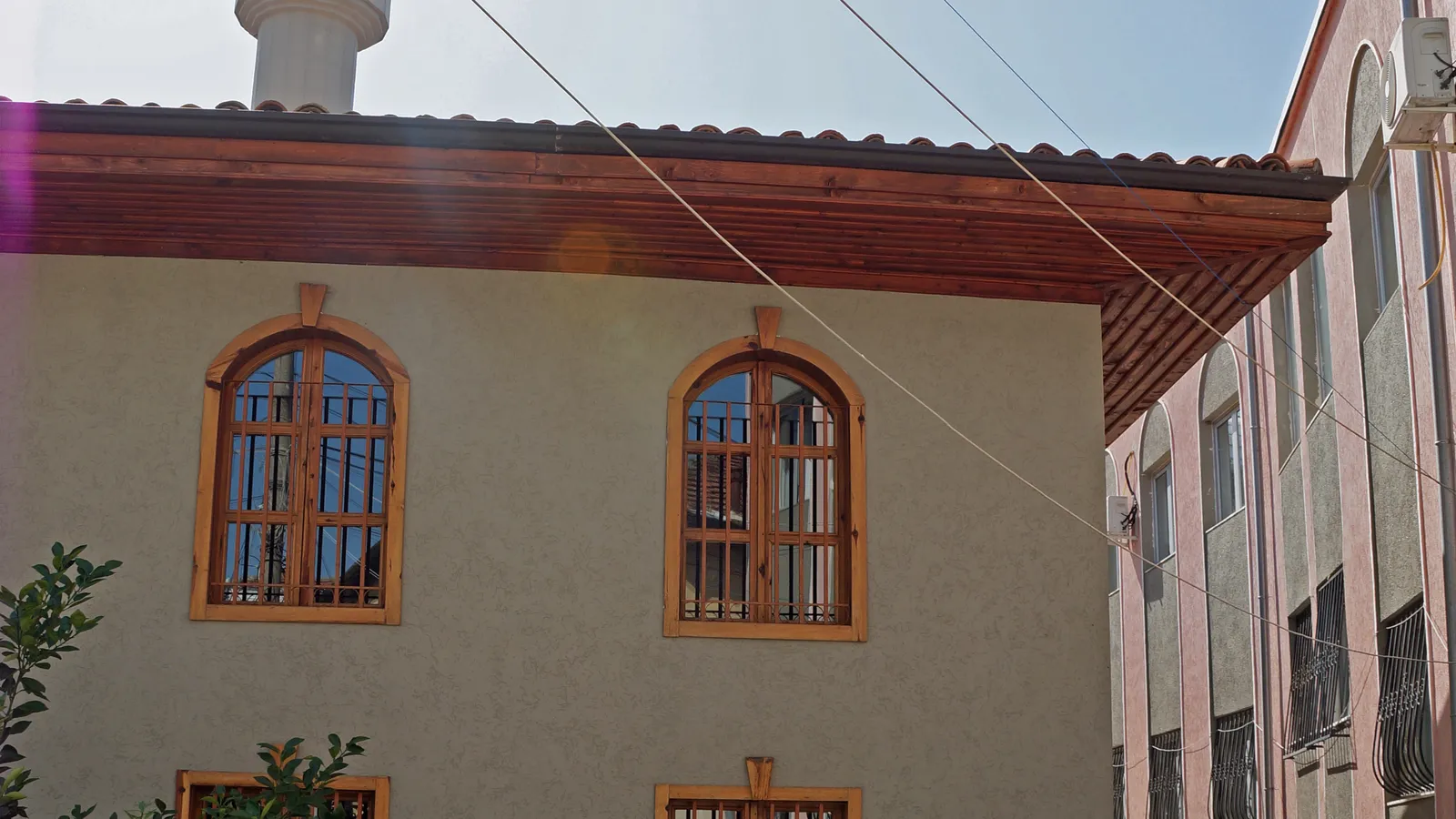
The Fatih Mosque near the Durrës College in Vollga
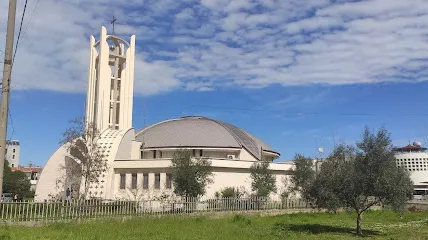
Catholic Church of Saint Dominic on Rruga Glaukia
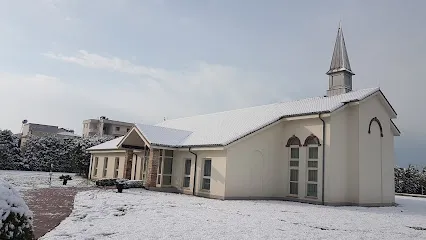
Jesus Christ of Latter-day Saints on Rruga Vellarezimi
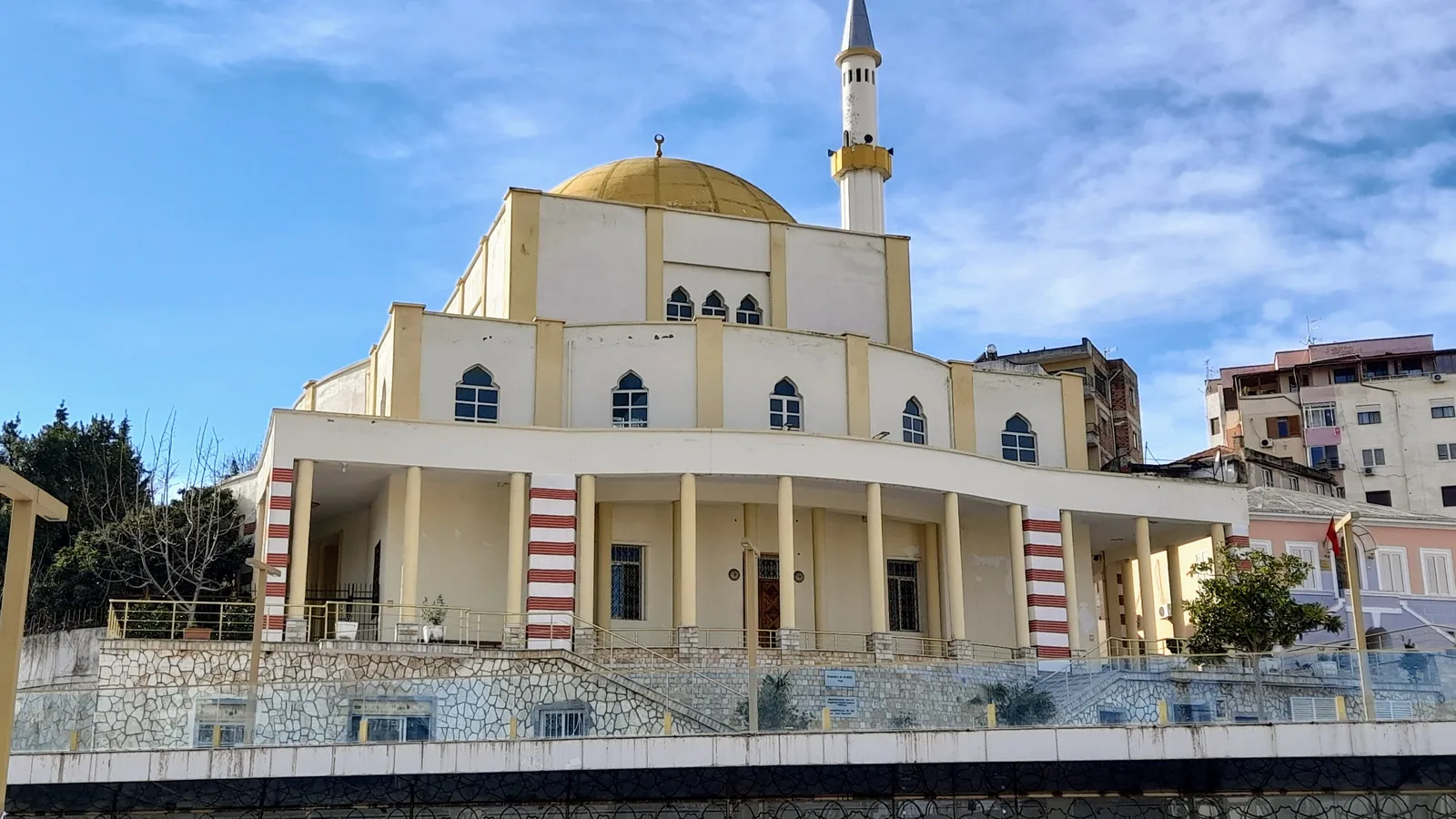
The Great Mosque on Shshi Illiria
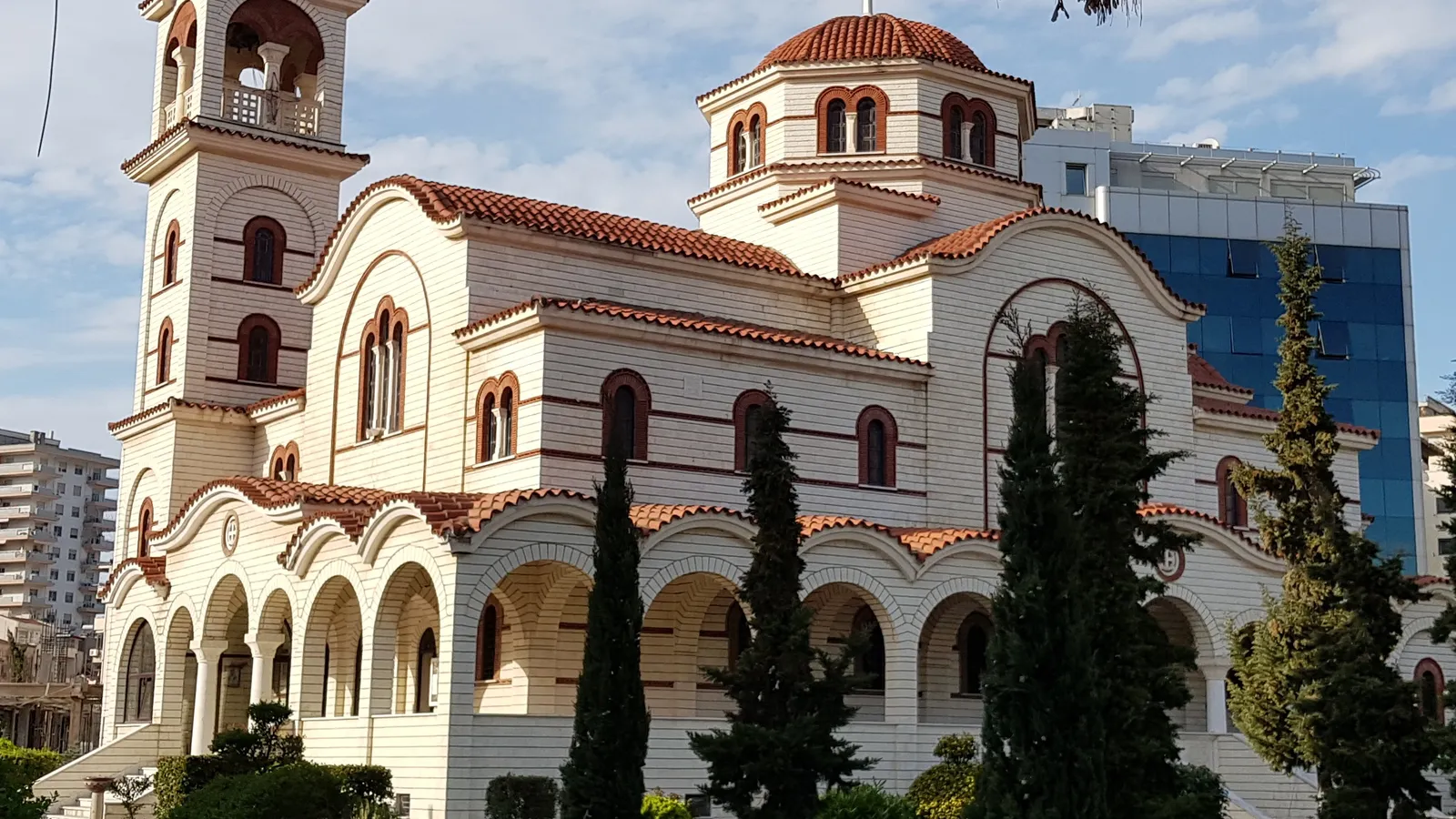
Church of Apostle Paul and Saint Asti by the Port
Sign up to Durrës Life
Get way more visibility for your Business in Durrës
If you're a new arrival or moving to Durrës soon, spread the word about your business to the whole expat community by listing on Durrës Life.